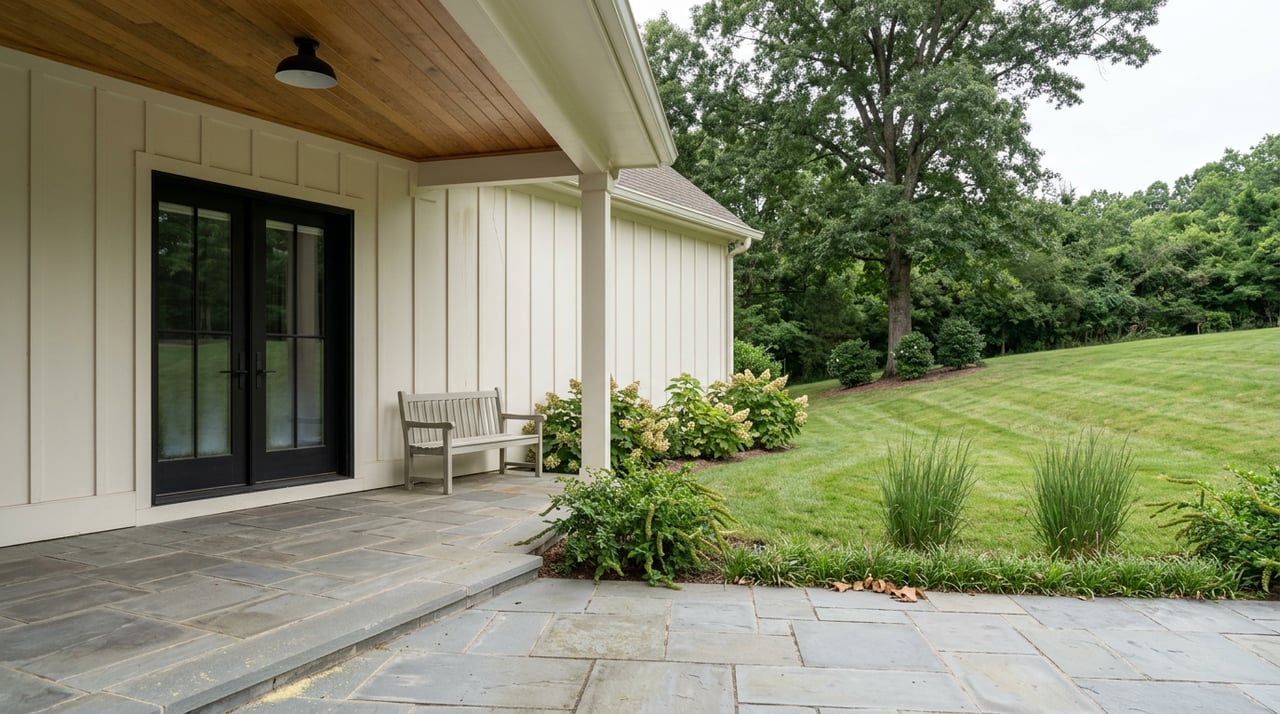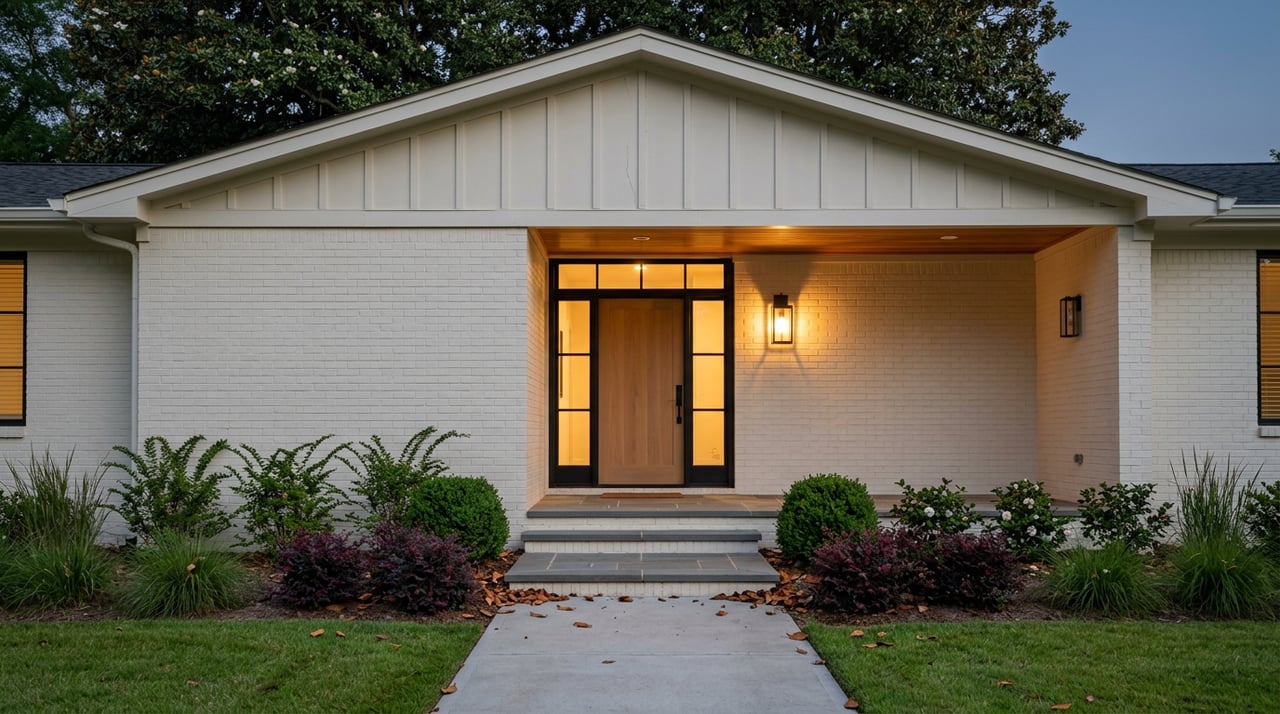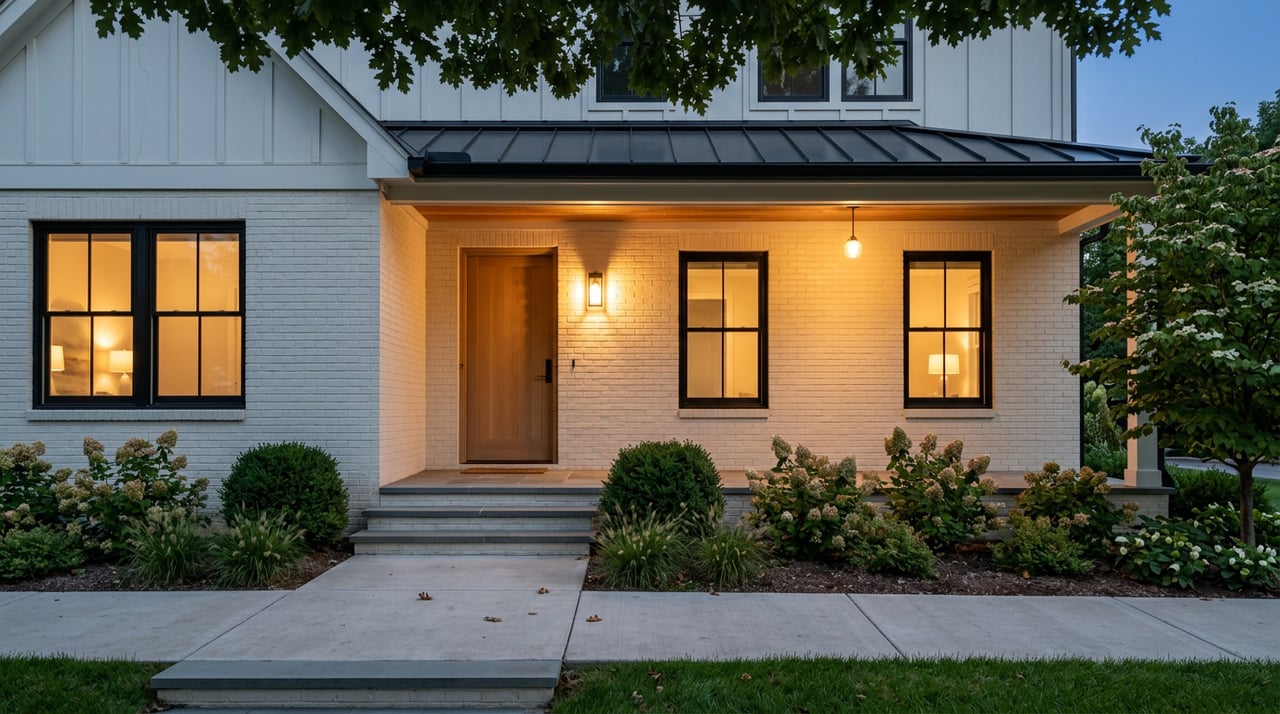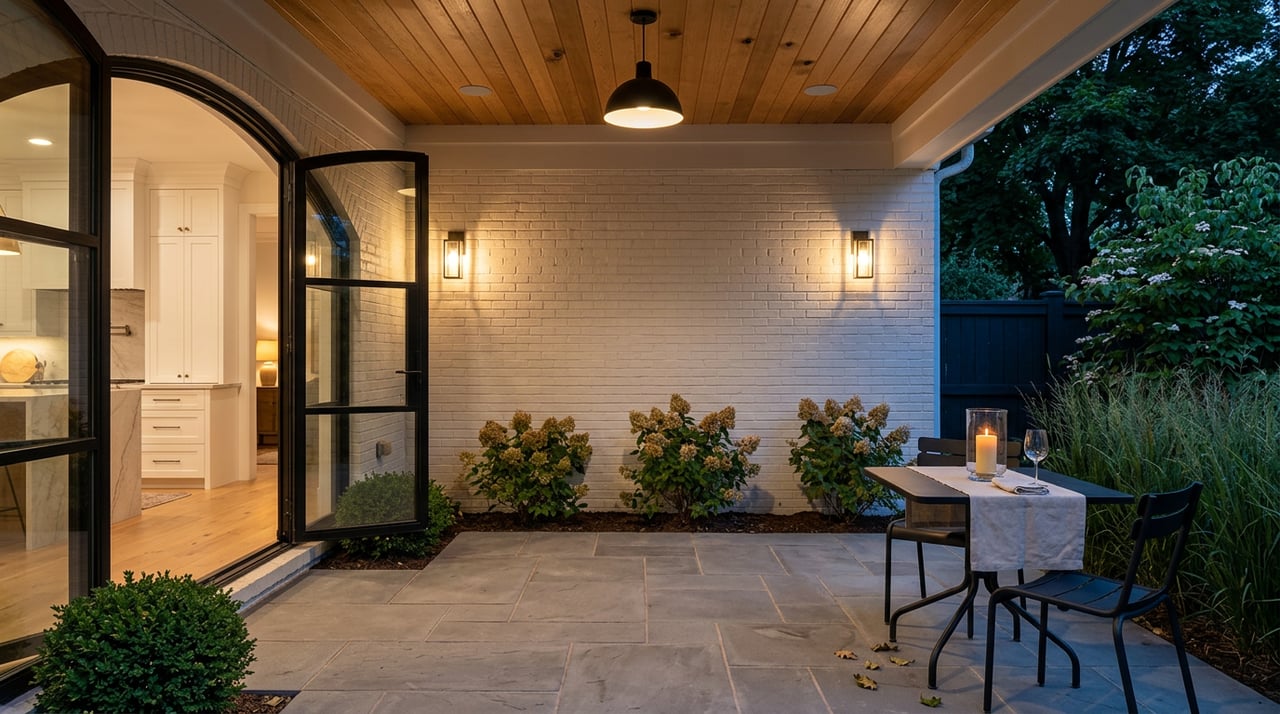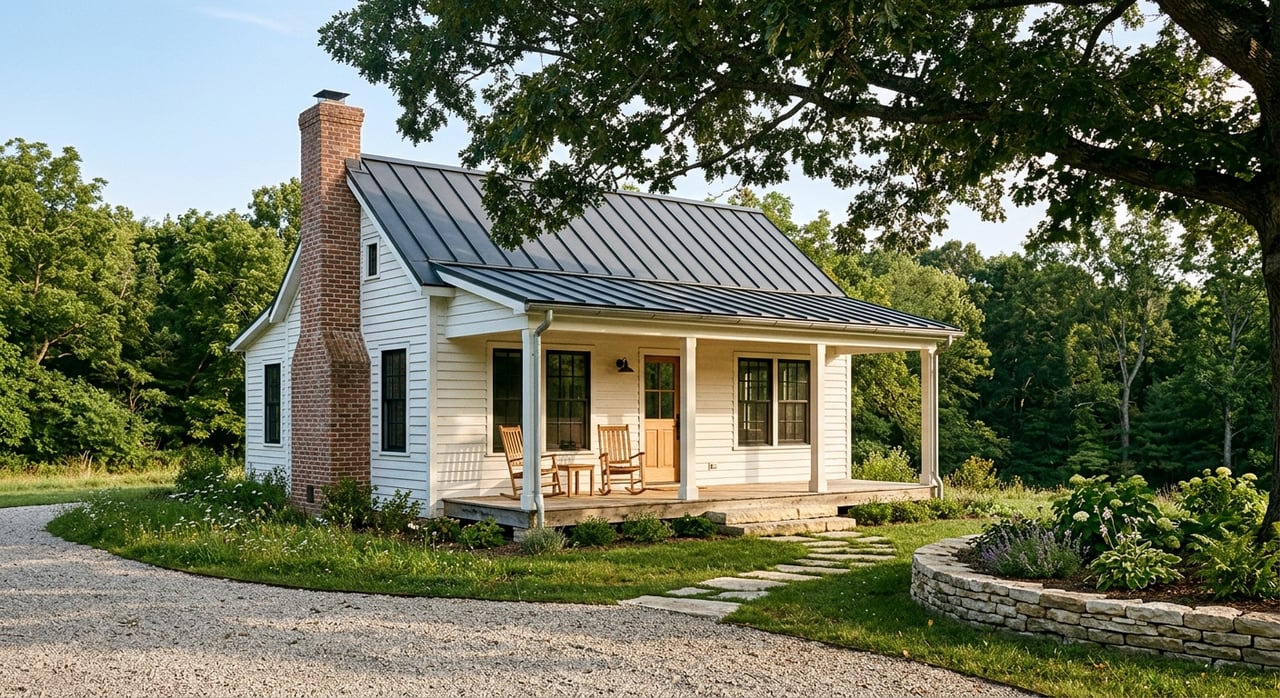
Dreaming about a place in Leiper’s Fork? It is easy to see the appeal of a historic cottage, a quiet parcel of land, or a homesite with room to breathe. But in this part of Williamson County, buying well means looking beyond charm and acreage to understand zoning, easements, soils, and buildability. If you want to buy with more confidence, this guide will walk you through the key issues to check before you make an offer. Let’s dive in.
Why Leiper’s Fork Is Different
Leiper’s Fork does not function like a typical suburban market. Williamson County manages it as a village district with rules intended to preserve small-town character, support a traditional development pattern, and protect open space and natural resources, according to the Williamson County zoning ordinance.
That matters if you are buying land, a historic home, or a property with renovation potential. In Leiper’s Fork, your plans may be shaped by village subareas, contextual design standards, rural-edge protections, and conservation priorities that do not come up in every 37064 transaction.
Understand the Local Market Range
One of the biggest mistakes buyers make is assuming there is a single “Leiper’s Fork price.” In reality, 37064 includes a mix of homes, land, cottages, and larger estate parcels, so values can vary widely depending on what you are buying.
Recent benchmarks show why range matters. Zillow placed typical home value in 37064 at about $882,251, Redfin reported a median sale price of $895,000, and Realtor.com reported a median home price of $1,097,000, with market times generally landing around 79 to 91 days. For buyers, the takeaway is simple: land and historic properties need property-specific analysis, not broad averages.
Land also stands on its own as a market segment. Greater Nashville REALTORS® reported 300 farm, land, and lot sales in Williamson County in 2024, which is a useful reminder that acreage should be evaluated differently than a conventional home purchase.
Buying Land in Leiper’s Fork
Acreage Does Not Guarantee Buildability
A beautiful tract can still be hard to use the way you want. In Leiper’s Fork, slope, drainage, floodplain conditions, wastewater rules, and recorded easements can all narrow what is realistic for a homesite or future subdivision.
The county’s special-area plan notes areas with slopes above 35%, flood zones along the south side of the village, and large sections within the 100-year floodplain. The zoning ordinance also says wastewater systems cannot be placed in the pre-existing 100-year floodplain, so site planning should start with the land itself, not just the listing description.
Zoning and Subarea Rules Matter
If a parcel is in the Village Core or General Village area, design and site layout may be more regulated than you expect. In the Village Core, county standards favor small-scale, street-oriented buildings and place parking to the side or rear, which can affect plans for additions, garages, and conversion projects.
It is also important to verify zoning carefully. Williamson County notes that the official zoning map online is for reference only, and if there is a discrepancy, the print map and later amendments control.
Water, Septic, and Soils Are Critical
For buyers planning to build, subdivide, or replace an existing structure, utility feasibility should be one of the first checkpoints. Williamson County requires proof of water availability and wastewater treatment capacity during review.
If the property will use an individual subsurface sewage disposal system, the county requires an approved soils map at the concept stage and later approval of the disposal area. The county also notes that local septic regulations were amended on March 17, 2026, which means buyers should confirm current requirements at the time of contract.
Greenbelt and Easements
Greenbelt Can Help, But Read the Rules
If you are buying acreage, Greenbelt status can be financially important. Williamson County’s Greenbelt program allows qualifying agricultural, forest, and open-space land to be assessed on present use rather than market value.
There are details to check before you rely on that benefit. Open-space land must be at least 3 acres and either remain in an open or natural condition or be protected by a perpetual open-space easement. Applications are due by March 15, new owners must reapply, and rollback assessment may apply if the property later loses qualification.
Conservation Easements Limit Future Options
A conservation easement is not the same thing as Greenbelt. According to the Land Trust for Tennessee, a conservation easement is a voluntary legal agreement that permanently limits how land can be developed or subdivided, while allowing the owner to retain certain rights depending on the recorded terms.
That means a parcel can look ideal on paper but still carry restrictions on new structures, roads, clearing, or future lot splits. Because easements run with the land and may require permission for changes, you will want to review the recorded documents before moving forward.
Scenic Easements May Also Apply
Some Leiper’s Fork-area properties near the Natchez Trace Parkway may be affected by separate scenic easements. The National Park Service explains that these can limit new buildings, major alterations, commercial structures, tree removal, and signage.
For buyers who want privacy, views, or expansion flexibility, that is a major due diligence item. A scenic setting can add value, but it can also come with real restrictions.
Buying a Historic Home in Leiper’s Fork
National Register Status Is Often Misunderstood
Much of Leiper’s Fork is part of the National Register Historic District, but buyers should not assume that means every repair or renovation needs special approval. The Tennessee Historical Commission explains that National Register listing is honorary.
By itself, it does not require permission for changes, force owners to maintain the property, require public access, or prevent a sale, subdivision, or deed transfer. That is an important distinction, because actual restrictions usually come from local rules, easements, or project-specific approvals.
Renovation Still Calls for Care
Even when a home is not subject to a separate historic overlay or easement review, preservation-minded work can still protect value and character. The National Park Service’s rehabilitation standards emphasize keeping historic character, preserving distinctive materials and features, repairing rather than replacing when possible, and making additions compatible with the original structure.
If you are considering a remodel, ask for documentation of prior work and permits. Older homes can have layers of changes over time, and understanding what was done can help you plan your next step more wisely.
Preservation Easements Can Be Narrow or Broad
Not every preservation easement covers an entire farm or estate. The Heritage Foundation of Williamson County notes that a preservation easement can be tailored to protect just a home and a surrounding buffer of land.
That is why buyers should avoid guessing. Two similar-looking properties may have very different rules depending on the exact recorded easement language.
Questions to Ask Before You Tour
Before you fall in love with a property, ask direct questions and back them up with documents. In Leiper’s Fork, these checks can save time, money, and frustration.
- What is the exact zoning district, and which Leiper’s Fork subarea applies?
- Does the survey match the county’s current zoning information?
- Is there a recorded conservation easement, preservation easement, or scenic easement?
- Is the property currently in Greenbelt, and will reapplication or rollback taxes be an issue?
- Is there an approved soils map, septic layout, or current wastewater approval?
- Is any part of the site in a floodplain or on steep slopes?
- If you plan to renovate, were prior changes permitted, and will future work need additional approval?
A Smarter Way to Evaluate Opportunity
In Leiper’s Fork, the best opportunities are not always the most obvious ones. A smaller parcel with clear zoning, workable soils, and fewer restrictions may offer more usable value than a larger tract with floodplain, slope, or easement limitations.
The same goes for historic homes. A charming property may be a great fit if you understand what is honorary, what is regulated, and what your renovation path really looks like before you buy.
If you are exploring land for a new home, it also helps to think early about the type of home that fits the site, the approval path, and your timeline. For buyers considering a factory-built or modular approach, working with an experienced team can help you think through planning, permitting coordination, and installation support from the start.
When you are ready to explore your options, Lisa Alyn can help you take the next step with a clearer plan and a more informed path forward.
FAQs
What should you verify before buying land in Leiper’s Fork?
- You should confirm zoning, subarea rules, water availability, wastewater or septic feasibility, soils, floodplain location, slope conditions, and any recorded easements before making an offer.
Does National Register status restrict changes to a historic home in Leiper’s Fork?
- No. National Register listing is honorary by itself and does not automatically require approval for changes, prevent a sale, or stop subdivision or deed transfer.
How does Greenbelt affect Leiper’s Fork land purchases?
- Greenbelt can reduce assessed value for qualifying land, but new owners must reapply, and rollback assessment may apply if the property later loses qualification.
Why is acreage not the same as buildable land in Leiper’s Fork?
- Acreage can be limited by steep slopes, floodplain conditions, soils, wastewater rules, and easements, all of which can reduce where or whether you can build.
What should you ask before renovating a historic home in Leiper’s Fork?
- You should ask whether prior work was permitted, whether any preservation or conservation easement applies, and whether future changes will need to follow any review standards or recorded restrictions.