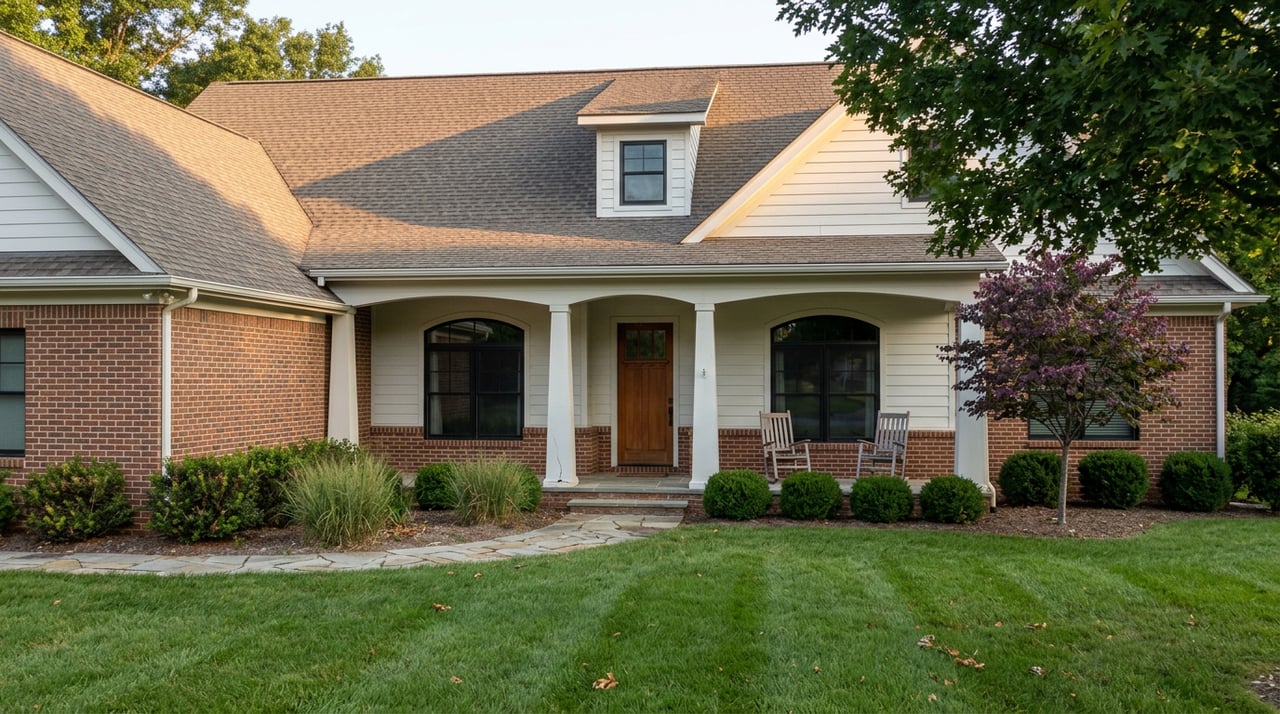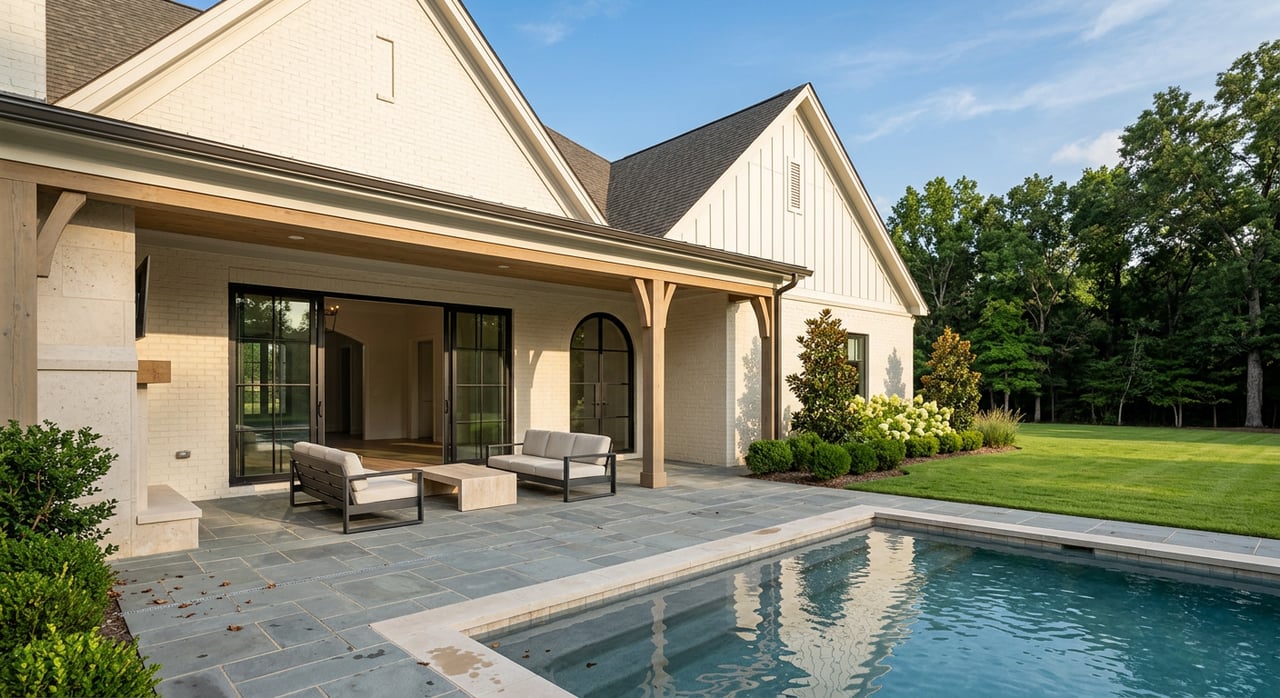
Buying in Brentwood can feel exciting and complex at the same time. You are choosing from beautiful estates, larger lots, and a market where details like zoning, utilities, and school assignments carry real weight. In this guide, you will learn the key steps to buy a luxury home in Brentwood with confidence, from understanding one‑acre norms to planning inspections, financing, and closing. Let’s dive in.
Why Brentwood luxury is unique
Brentwood’s luxury market leans toward larger lots, custom homes, and established neighborhoods. Many buyers look for privacy, scenic settings, and convenient access to Nashville. Because of that mix, land rules, overlays, and utilities can shape both what you buy and what you can do later.
Before you tour, it helps to understand the ground rules that affect value, expansion plans, and long‑term ownership costs.
Understand zoning and overlays
One‑acre norm and districts
You will hear “one acre” often in Brentwood, but it is a guideline, not a rule. The city’s zoning sets specific minimums by district. For example, R‑1 typically requires 2 acres and R‑2 is often a 1‑acre minimum. OSRD allows smaller individual lots only when the overall density stays at or below one home per acre with open space preserved. You can review these basics on the city’s planning pages for context and definitions of the districts and how they are applied (City of Brentwood planning overview).
The takeaway: confirm the property’s zoning district and the recorded plat before assuming you can add structures, split the lot, or shift lines.
Hillside Protection Overlay
If you are eyeing a scenic, sloped, or ridge‑line property, check whether the parcel sits inside the Hillside Protection Overlay. In steeper areas, the overlay limits density, can raise minimum lot sizes to about 3 acres, and restricts how much land you can disturb. This can affect where you place additions, pools, or drives. Start with the city’s guide to the overlay to understand the purpose and standards (Hillside Protection Overlay).
Subdivision and deed restrictions
Some rural‑style subdivisions require larger average lot sizes, and deed restrictions can limit how and where you build. In certain projects, average lots may be around 3 acres, with individual lots generally no smaller than 1 acre. Read the recorded plat and any covenants before assuming any subdivision is allowed. The city’s subdivision regulations outline requirements and rural design provisions so you know what to look for in recorded documents (Subdivision regulations).
Schools: verify by address
School access is a major factor for many Brentwood buyers. Public schools are operated by Williamson County Schools, and two high schools serve much of the city: Brentwood High and Ravenwood High. Attendance zones are specific to each address and can change during rezoning.
Do not rely only on listing sheets for school info. Contact the district or use official resources to confirm assignments for the exact property address (Williamson County Schools contact and schools). That step helps you weigh school access alongside home features and location.
What to expect on price and value
Recent third‑party market trackers place Brentwood’s median sale price in the roughly 1.25 to 1.4 million dollar range, while nearby Franklin often shows lower medians in the 850 thousand to 1.15 million dollar band. These are broad snapshots and vary by provider, date, and neighborhood mix.
In the luxury segment, a larger share of sales at 2 million dollars and above can raise headline medians even when price per square foot is steady. That is a mix‑shift effect, not always pure appreciation. Also remember that Brentwood’s larger lots and commute advantages can create a land premium, while Franklin offers a wider mix of home types and price points.
Plan for a luxury‑level inspection
Large homes often include more systems and specialty features. Plan for a longer inspection window and multiple specialist evaluations. A standard inspection for a large property can take several hours and may need add‑on reports for pools, roofing, HVAC, and more. For a sense of timing and scope, see this overview of home inspection durations and what affects them (inspection timing guide).
Core inspections to order
- Full home inspection covering structure, roof, electrical, plumbing, and HVAC.
- Roofing contractor evaluation for age, flashing, valleys, and complex roof geometry.
- HVAC technician review of each unit, service records, and controls.
- Licensed electrician assessment if your inspector flags panel capacity or load issues.
Site and utilities to verify
- Septic or sewer: Some Brentwood properties are not on city sewer or are served by low‑pressure sewer with grinder pumps. Confirm service type with the seller or the city and schedule a septic inspection or grinder‑pump check as needed (Brentwood sewer system overview).
- Grading and drainage: Larger or hillside lots need careful drainage review. If the parcel lies in the Hillside Protection Overlay, consider a site engineer to assess erosion control and disturbance limits (Hillside Protection Overlay).
- Survey and title: Order a current boundary and improvements survey to confirm easements, drive access, and encroachments.
- Flood risk: Check FEMA maps for the parcel and ask an insurer for a quote early. Properties outside Special Flood Hazard Areas can still have localized drainage risks (FEMA Flood Map Service Center).
Specialty features to evaluate
- Pools and spas, including equipment condition and safety features.
- Generators, elevators, smart‑home systems, and custom appliances. Ask for vendor service records.
- Irrigation systems and wells, if present, plus water quality tests for private wells.
- Termite and wood‑destroying insect report due to regional climate.
If issues appear, plan your negotiation strategy around credits or repairs for mechanical systems and safety items. In luxury deals, a structured repair addendum and contractor estimates can keep the timeline on track.
Financing, taxes, and closing
Jumbo loans in 2026
Many Brentwood luxury purchases exceed conforming loan limits. For 2026, the national baseline conforming limit for a one‑unit property is about 832,750 dollars. Loans above that are usually considered jumbo and tend to require higher credit scores, larger down payments, more reserves, and tighter documentation. Secure a jumbo pre‑approval early and allow a bit more time for underwriting and appraisal scheduling (Fannie Mae 2026 conforming limits).
Property tax basics in Tennessee
Tennessee assesses residential property at 25 percent of appraised value for tax calculations. Brentwood has a separate city rate, and Williamson County bills through the Trustee. Ask for recent tax bills on any property you consider, and verify whether city or special‑district levies apply. The state’s tax glossary explains the assessment ratio and key terms so you can estimate bills with your lender (Tennessee property assessment glossary).
Appraisal strategy in the luxury segment
Luxury appraisals rely on nearby sales of comparable estates, not simple price‑per‑square‑foot averages. Expect your lender’s appraiser to weigh lot size, neighborhood, school assignment, and custom finishes. In a competitive offer, budget for a potential appraisal gap and discuss strategies with your lender and agent before you submit.
Your step‑by‑step checklist
Follow this sequence to stay organized and reduce surprises.
- Get financial clarity
- Obtain a pre‑approval and confirm whether your target price requires conforming, high‑balance, or jumbo financing. Plan extra time for jumbo documentation and appraisal timelines (Fannie Mae 2026 conforming limits).
- Choose experienced local representation
- Work with an agent who routinely handles Brentwood estates and can source coming‑soon listings, zoning info, and accurate comps.
- Gather property facts before touring
- Ask for the recorded plat, zoning district, recent tax bill, HOA documents, and utility details. Confirm if the property is on city sewer, low‑pressure sewer with a grinder pump, or septic (Brentwood sewer system overview).
- Verify school assignment by the specific street address with Williamson County Schools (district resources).
- Order inspections once under contract
- Schedule a full home inspection plus specialists: roofing, HVAC, pool, septic/well or grinder‑pump, termite/WDI, and site engineering for hillside parcels. If overlays apply, confirm disturbance limits and required approvals (Hillside Protection Overlay).
- Check flood status and insurance early
- Review FEMA maps and ask your insurer for an indicative premium. Confirm if your lender will require flood coverage (FEMA Flood Map Service Center).
- Align appraisal and rate‑lock timing
- Discuss comps with your lender and agent, plan reserves for a possible appraisal gap, and time your rate lock around key milestones where possible (Fannie Mae 2026 conforming limits).
- Final walk‑through and approvals
- Verify repairs, collect contractor receipts or warranties, and confirm any HOA or architectural approvals you need for near‑term exterior projects.
Putting it all together
Buying a luxury home in Brentwood rewards preparation. If you confirm zoning and overlays upfront, verify schools by address, and build a smart inspection plan, you will move through the process with fewer surprises. Add a strong jumbo pre‑approval and an appraisal strategy, and you are set up to make a confident offer on the right property.
If you would like a clear path tailored to your goals, connect with Lisa Alyn for a conversation about next steps.
FAQs
What lot sizes should I expect in Brentwood luxury areas?
- Many neighborhoods feature 1‑acre or larger lots, but minimums vary by zoning district and overlays, so verify the property’s district and recorded plat with the city’s planning resources.
How do I confirm which schools serve a specific property?
- Contact Williamson County Schools and confirm by exact street address rather than relying on listing data to account for any boundary updates.
Are Brentwood luxury homes typically on city sewer?
- Service types vary; some properties use city sewer, some are on low‑pressure sewer with grinder pumps, and others use septic, so confirm service and schedule the right inspection.
Which inspections matter most for large estates?
- Start with a full home inspection, then add specialists for roofing, HVAC, electrical loads, pool/spa, septic or grinder‑pump, termite, and site engineering if the lot is steep or in a hillside overlay.
How do jumbo loans change my buying plan?
- Jumbo loans often require higher credit scores, more reserves, and larger down payments, so get a jumbo pre‑approval early and allow extra time for appraisal and underwriting.
How are property taxes calculated in Brentwood and Williamson County?
- Tennessee assesses residential property at 25 percent of appraised value, then applies county and city rates, so request the latest tax bill and confirm any city or special‑district levies.